Best Investment Apps for Beginners in 2026 – Reviews & Comparisons
Top 10 Investment Apps for Beginners in 2026: Your Easy Entry into Building Wealth (Without the Headache)
Market newcomers! It's mid-January 2026 here in sunny North Fort Myers, and if you're like me – someone who's been casually following the markets for years but only recently got serious – you're probably feeling that itch to start investing. With the S&P 500 pushing new highs and talks of AI everywhere, there's never been a better (or more intimidating) time to dip your toes in.
Remember back in 2019? That's when Robinhood sparked a revolution by going fully commission-free on trades, forcing giants like Charles Schwab and Fidelity to follow suit almost overnight. It democratized investing – suddenly, anyone with a phone could buy stocks without paying $5–$10 per trade. Fast forward to today, and most apps are $0 commission on stocks and ETFs, with fractional shares letting you invest as little as $1. But with so many options, where do you even start?
I've updated this list based on the latest 2026 reviews from sites like NerdWallet, Forbes, and The Motley Fool (as of January). These are the apps beginners are buzzing about right now – user-friendly, low-cost, and packed with tools to help you learn without feeling overwhelmed. No particular order, just solid choices.

1. Fidelity
Still a beginner favorite in 2026 – clean app, $0 commissions, fractional shares, and tons of free education (videos, articles, even personalized coaching for larger accounts). They’ve rolled out more AI-driven insights this year. Perfect if you want reliability from a trusted name that's been around since 1946.
2. Charles Schwab
After merging with TD Ameritrade, Schwab's app is smoother than ever. $0 commissions, excellent customer support (24/7!), fractional shares, and thinkorswim tools if you want to level up later. Great for beginners who might grow into more advanced trading.
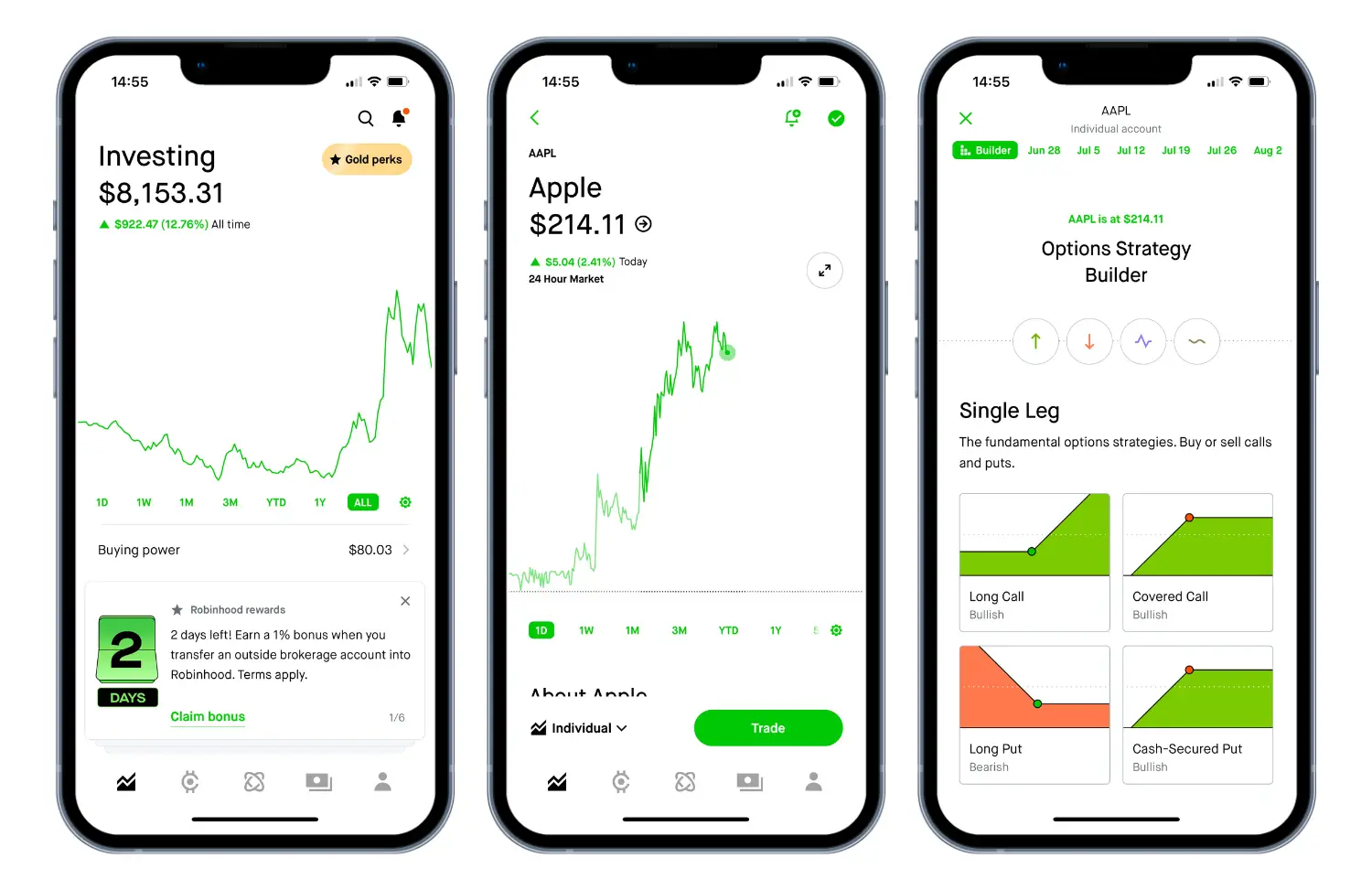
3. Robinhood
The original disruptor – super simple, mobile-first, with $0 commissions on stocks, ETFs, options, and crypto. Fractional shares and instant deposits make it feel effortless. Yes, it's still a bit "gamified," but they've added more educational content in 2026 to address past criticisms.
4. Acorns
If "set it and forget it" is your vibe, Acorns rounds up your purchases and invests the change automatically. Now with better ETF options and high-yield cash accounts. Ideal for hands-off beginners – many users (including friends here in Florida) say it helped them save without noticing.

5. SoFi Invest
Modern vibe with $0 commissions, fractional shares, and perks like career coaching or high-interest savings integration. They've expanded automated investing features – great if you're younger and want everything in one financial app.

6. Betterment
Top robo-advisor pick again in 2026. It builds and manages diversified ETF portfolios based on your goals, with smart tax strategies. Fees around 0.25% – worth it for true automation. Question: Tired of picking stocks yourself? This is your answer.

7. Wealthfront
Similar to Betterment but shines with advanced tax-loss harvesting (even on smaller accounts now) and goal-planning tools. Low fees and clean design – many experts predict robo-advisors like this will dominate as AI gets smarter.

8. Webull
$0 commissions, extended-hours trading, and free advanced charts. Plus paper trading to practice risk-free. Beginners love it for learning technical analysis without pressure.

9. E*TRADE (by Morgan Stanley)
Solid all-rounder with $0 commissions, strong research tools, and Power E*TRADE for when you're ready for more. Educational resources are top-notch.

10. Vanguard
The king of low-cost index funds. App is straightforward for buy-and-hold investors – focus on long-term ETFs with rock-bottom fees. If you're patient (like Vanguard's founder Jack Bogle preached since the 1970s), this could be your forever home.

Quick 2026 Comparison & My Thoughts
- Fees: Almost all $0 on basic trades; robo-advisors ~0.25% management.
- Minimums: Many start at $0–$100.
- Standout Trend: AI personalization is everywhere – from portfolio suggestions to chat-based advice.
- Historical Win: That 2019 shift saved investors billions in fees collectively.
Prediction time: By mid-2026, I bet we'll see even more AI integration (think personalized "what-if" scenarios) and easier crypto access in traditional apps. But with markets at highs, starting slow with diversified ETFs makes sense – what do you think, bull run ahead or time to be cautious?
Which of these have you tried? Is robo-advising the future, or do you prefer picking your own stocks? What's your biggest beginner question – fees, risks, or how to choose? Drop it in the comments; I love hearing from you!
Important Disclaimer
This is just educational info based on public reviews – I'm not a financial advisor! Investing involves real risks, including losing money. Apps change, features vary by location (most US-focused), and past performance isn't future results. Always research officially, read fine print, and talk to a pro before starting.
Follow me on X @MoneyWise2026
By Angel from Florida


Comments
Post a Comment