How to Build Wealth in 2026: A Step-by-Step Guide for Beginners

Your Simple 2026 Guide to Building Wealth as a Beginner: Real Steps That Actually Work
If you’re just getting serious about money this year — maybe after the holiday spending hangover or because life feels a bit more expensive lately — you’re in the right place.
Building wealth in 2026 doesn’t need a six-figure salary, complicated spreadsheets, or insider secrets. It’s still about the same timeless habits that have worked for decades: spend less than you earn, save consistently, and let time do the heavy lifting. I’ve been on this journey myself for years, and these are the exact steps I wish someone had laid out for me when I started.
Here’s a straightforward, beginner-friendly roadmap — no fluff, just practical moves.
Step 1: Get brutally honest about where your money is going
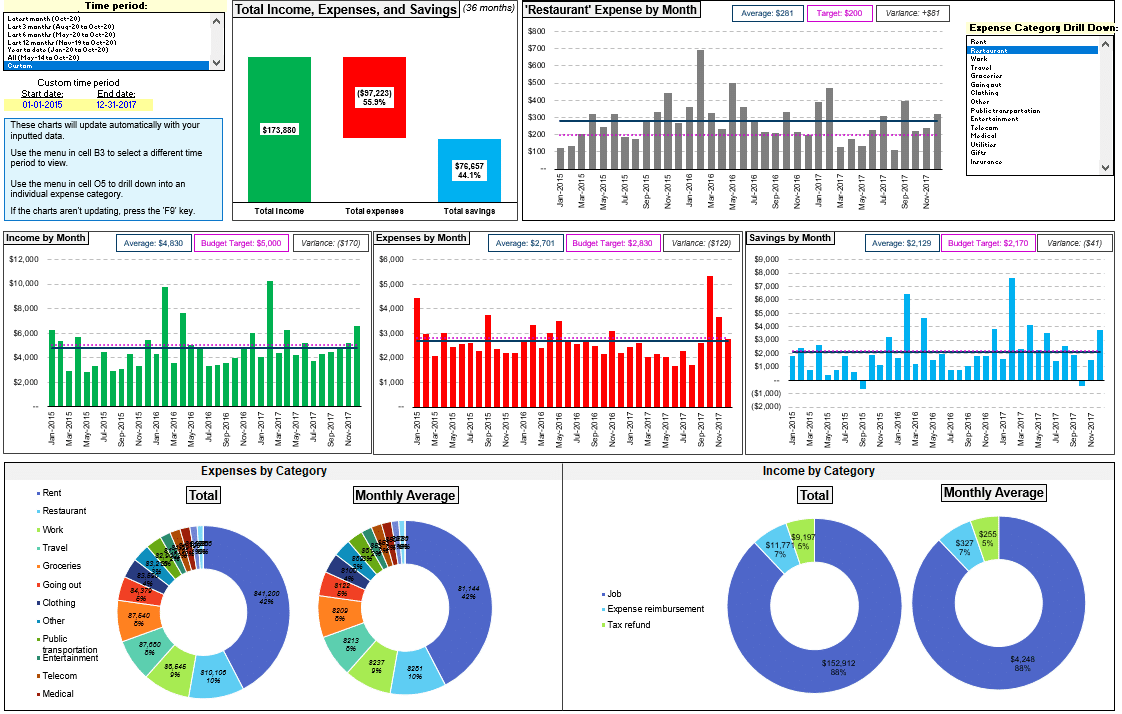
Before anything else, track every dollar for 30 days. Income, rent, groceries, streaming services, that $6 latte — everything. Use a free app (YNAB, Mint, or even PocketGuard are still popular in 2026), a simple Google Sheet, or just a notebook.
Why it matters: Most people are shocked to see how much leaks out on small stuff. One reader told me last month they found $180/month in unused subscriptions. That’s real money back in your pocket.
Quick question for you: When’s the last time you actually looked at your bank statement line by line?
Step 2: Build your emergency fund (start small, but start now)
In today’s world — with layoffs still happening in tech and unexpected medical bills always possible — aim for 3–6 months of essential expenses in a high-yield savings account (many are paying 4.5–5.2% right now).
Beginner goal: Get to $1,000 fast, then keep going. Automate a transfer the day you get paid so you never see the money.
Real talk: I started mine with just $25/paycheck years ago. It’s the safety net that lets you sleep better and avoid high-interest debt when life throws curveballs.

Step 3: Attack high-interest debt aggressively
If you’re carrying credit card balances (average rate is still around 21–24% in early 2026), this is eating your future wealth.
Two proven methods:
- Debt Snowball: Pay off smallest balances first for quick psychological wins.
- Debt Avalanche: Target highest interest rates first to save the most money.
Choose what keeps you motivated. Celebrate every single debt you wipe out — it’s a huge win.
Question I get a lot: “Should I invest or pay debt first?” If your debt is above ~7–8%, pay it down first. That’s a guaranteed return most investments can’t beat.
:max_bytes(150000):strip_icc()/debt-avalanche-vs-debt-snowball-which-best-you.asp_v1-b62b7fef4c6949aa96550aa2c33b391e.png)
Step 4: Create a budget that actually fits your life
Forget perfect systems. Start with the 50/30/20 rule as a flexible guide:
- 50% on needs (housing, food, utilities, transportation)
- 30% on wants (dining out, hobbies, entertainment)
- 20% on savings + debt payoff
Tweak it as needed — some folks do 60/20/20 if housing costs are high where they live. The only non-negotiable: spend less than you earn.

Step 5: Add extra income streams (easier than ever in 2026)
The gig economy and online tools make this simpler now. Think:
- Freelancing on Upwork or Fiverr (writing, graphic design, virtual assistance)
- Driving/delivery if it fits your schedule
- Selling unused stuff on eBay or Facebook Marketplace
- Creating digital products or content (many are earning with simple newsletters or YouTube shorts)
Even an extra $300–$500/month can dramatically speed up debt payoff or savings.
My prediction: With AI tools making side hustles more accessible (think easy content creation or automated shops), 2026 will see more people than ever earning meaningful side income from home.

Step 6: Keep learning — it’s free and it compounds
Read one good personal finance book this year (classics like The Total Money Makeover or I Will Teach You to Be Rich still hold up beautifully). Listen to podcasts while commuting. Watch free YouTube explainers. Knowledge turns confusion into confidence.

Step 7: Stay consistent and be patient with yourself
Review your numbers every 3 months. Celebrate wins (paid off a card? Treat yourself modestly). Adjust when life changes — new job, baby, move, whatever. Automate everything you can.
Wealth building is a marathon. The people who win are the ones who just keep showing up.

What about you? Which step are you starting with this week? Already have an emergency fund or crushing debt? Share your wins or questions below — I read every comment and love hearing your stories.
Important Disclaimer This is just my personal take for educational and entertainment purposes only. I’m not a financial advisor, and nothing here is personalized advice. Money decisions carry risks, and everyone’s situation is different. Always do your own research and consult qualified professionals before making changes.
Follow me on X @MoneyWise2026
By Angel from Florida


Comments
Post a Comment